How Seasonal Variations Affect Bonus Claim Rates in Online Poker Communities Globally
Ines Peters · Oct 22, 2026
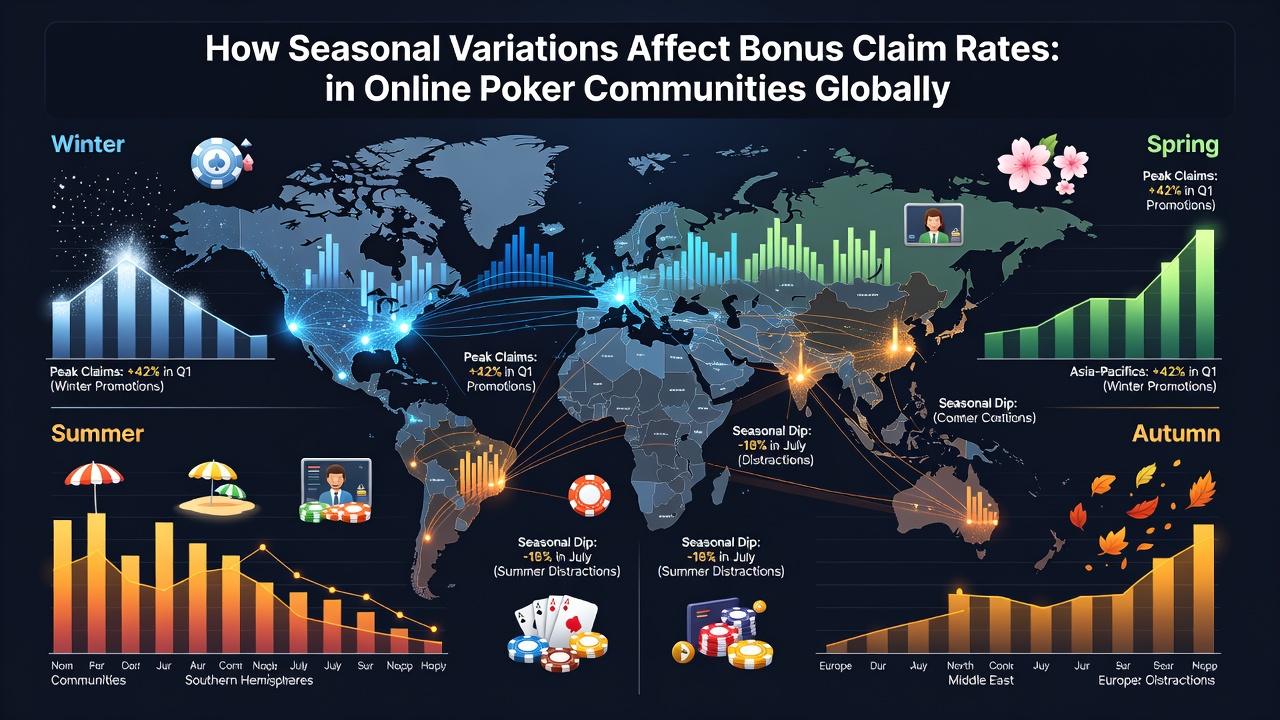
How Seasonal Variations Affect Bonus Claim Rates in Online Poker Communities Globally
Seasonal shifts influence how players interact with online poker platforms and how often they redeem promotional bonuses throughout the year. Data collected from major networks shows clear patterns tied to weather changes, holiday schedules, and regional events that alter daily routines. Observers note that winter periods in the northern hemisphere coincide with higher claim volumes because colder temperatures keep more participants indoors for extended sessions while summer months bring noticeable dips as travel and outdoor activities increase.
Northern Hemisphere Patterns and Holiday Influences
Research from international gaming associations reveals that bonus redemptions spike between November and February in North America and Europe because shorter daylight hours and festive periods encourage longer online engagement. Players in these zones often combine holiday downtime with platform promotions that offer enhanced rewards during events like Thanksgiving or New Year celebrations. Figures from the New Jersey Division of Gaming Enforcement indicate that December claim rates consistently exceed other months by measurable margins when operators launch targeted campaigns aligned with seasonal spending habits.
Yet the same data sets show a reversal once spring arrives and outdoor pursuits resume. Operators adjust their bonus structures accordingly and analysts track how these adjustments maintain steady participation even as overall claim frequency moderates. Those who monitor platform metrics across multiple years confirm that such adjustments help stabilize revenue streams during transitional seasons.
Southern Hemisphere Contrasts and Regional Festivals
In Australia and parts of South America the calendar flips the expected trends. Summer months from December through February drive increased indoor activity due to extreme heat in many areas which leads to elevated bonus claims during periods when northern regions experience declines. The Australian Communications and Media Authority has documented similar seasonal spikes tied to local events such as Australia Day promotions that operators coordinate with summer leisure patterns.
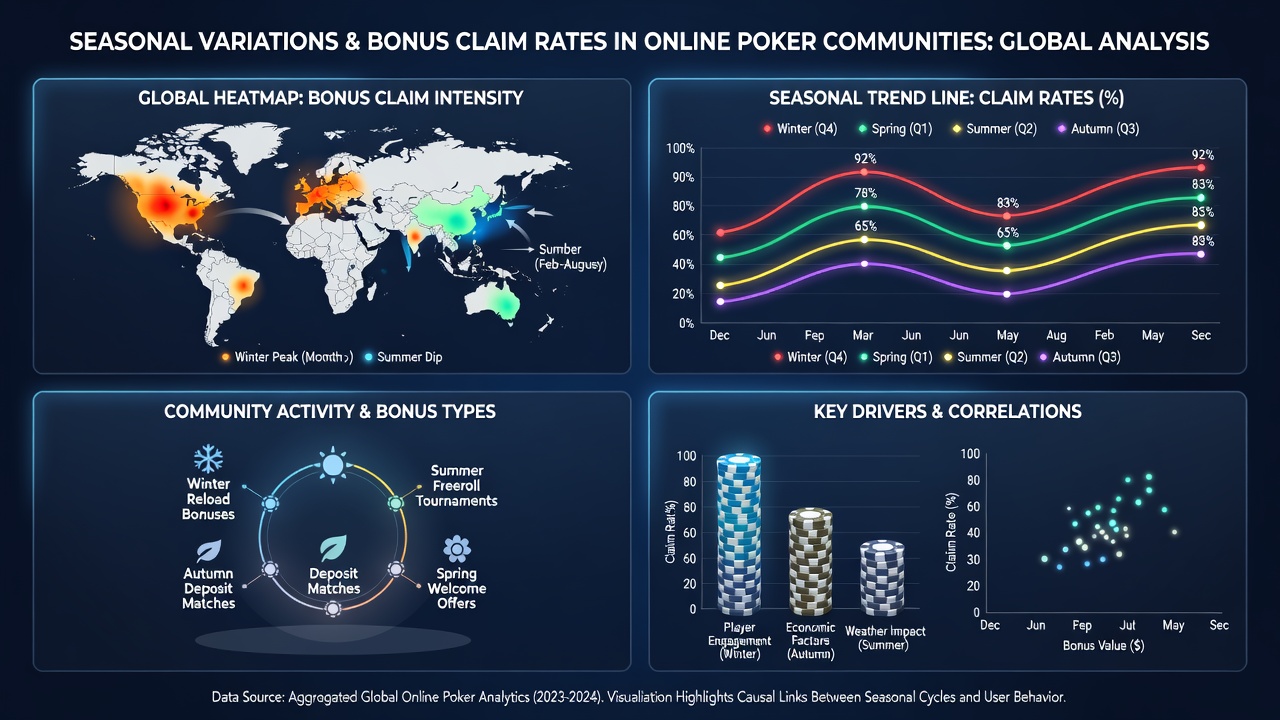
October 2026 data further highlights how shoulder seasons create unique opportunities. Platforms in both hemispheres report steady claim activity during this month because neither extreme weather nor major holiday disruptions dominate player calendars. Observers point out that this balance allows operators to test new promotional formats without the volatility seen in peak summer or winter periods.
Global Events and Cross-Regional Effects
Chinese New Year and other cultural festivals introduce additional layers of variation that cross geographic boundaries. Players from Asia-Pacific regions often increase activity during these celebrations regardless of local weather conditions and operators respond with region-specific bonuses that boost claim rates among targeted demographics. University studies on digital gaming behavior confirm that these cultural peaks create measurable surges that ripple through global networks when players from multiple time zones participate simultaneously.
Software updates and accessibility improvements also interact with seasonal factors. Networks that synchronize tournament schedules with mobile features see steadier claim patterns year-round because participants can engage during brief windows of free time created by weather-related schedule changes. Those who analyze player segments note that younger demographics adapt more quickly to these seasonal shifts while older groups maintain consistent claim habits across all months.
Conclusion
Seasonal variations shape bonus claim rates through a combination of weather, cultural events, and operator responses that differ by hemisphere and region. Data gathered up to October 2026 demonstrates how platforms adapt their strategies to maintain engagement when external conditions change. Regulatory reports and academic research continue to track these dynamics as networks refine their approaches across diverse global communities.